
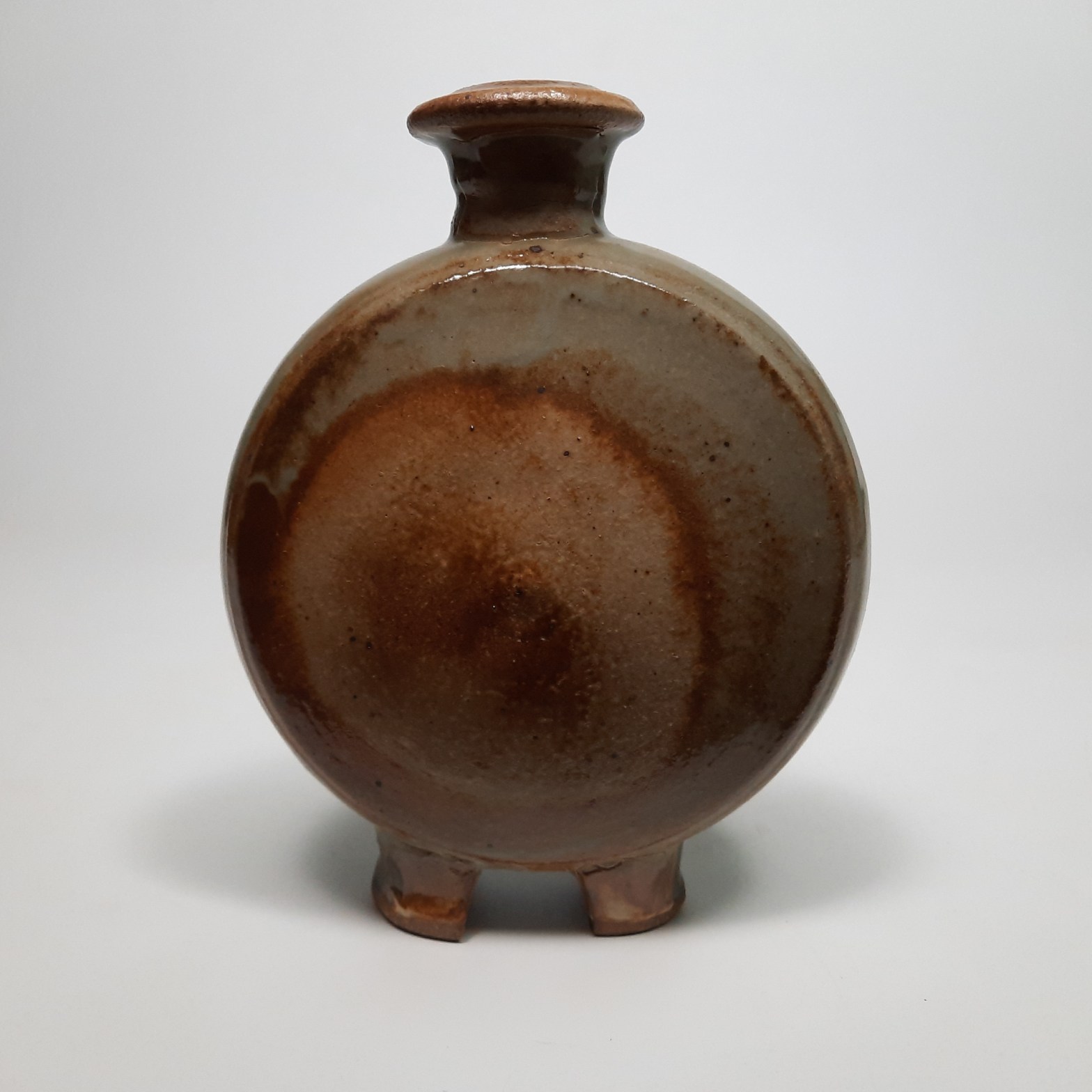
I think of myself as a Minnesota potter. I’ve lived my whole life in Minnesota (save a single semester in college living in NYC), but there is a lot more to it than simply where I live. My entire ceramics career, and especially my early education, I’ve been steeped in the “Mingeisota” tradition; a tongue in cheek way to refer to the pottery movement lead by Warren Mackenzie, which has roots in the Mingei movement of the early 20th century Japan. The teachings, philosophy and spiritual nature of the Mingei movement underwent a game of cultural telephone. (This is a fascinating history that I am wholly unqualified to talk about in any kind of detail.)
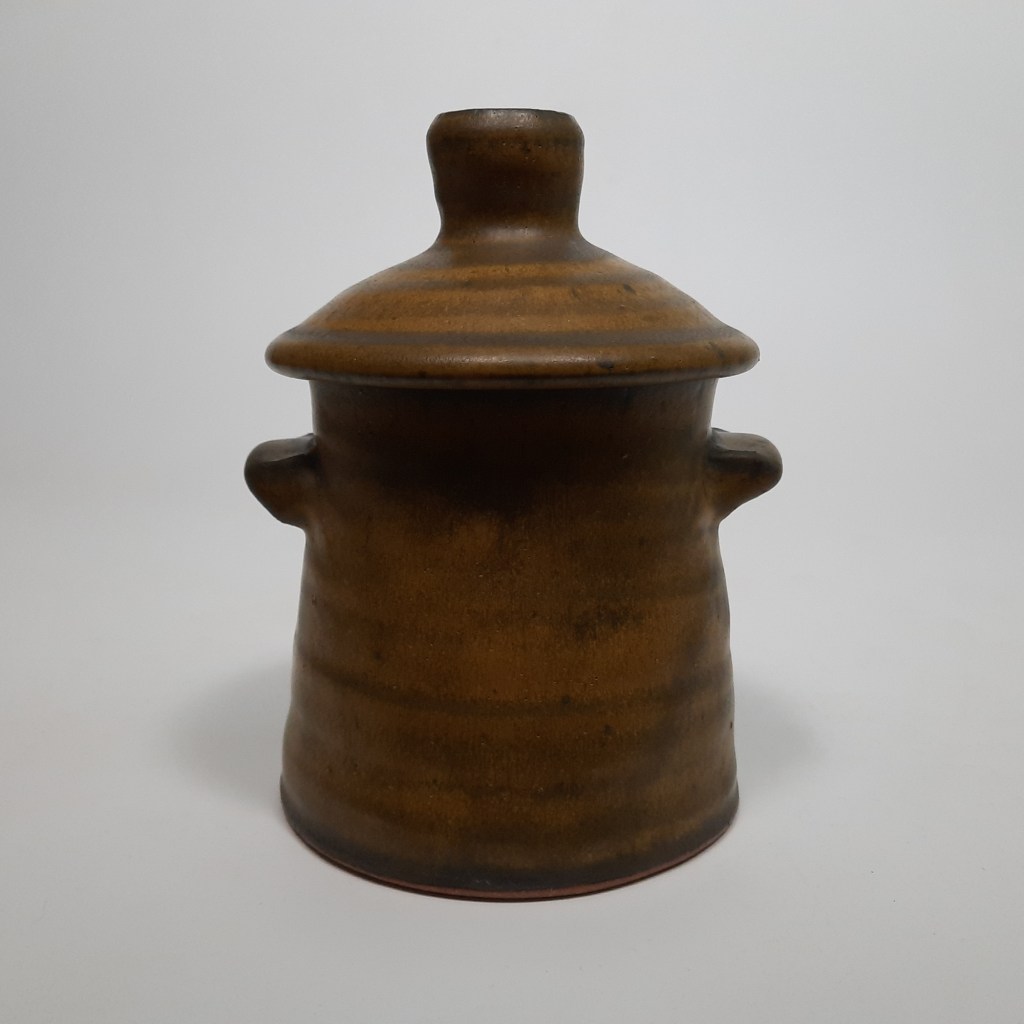
As I see it, Mingeisota is the aesthetic philosophy of wabi sabi as it relates to the cultural context of midwest America. In short wabi sabi is a Japanese philosophy that says “greatness exists in the inconspicuous and overlooked details” and that “beauty can be coaxed out of ugliness”. These precepts, for the most part, found a home in the stoicism of the mid west.
“There is beauty to be found in ordinary and utilitarian everyday objects made by unknown craftspeople.”
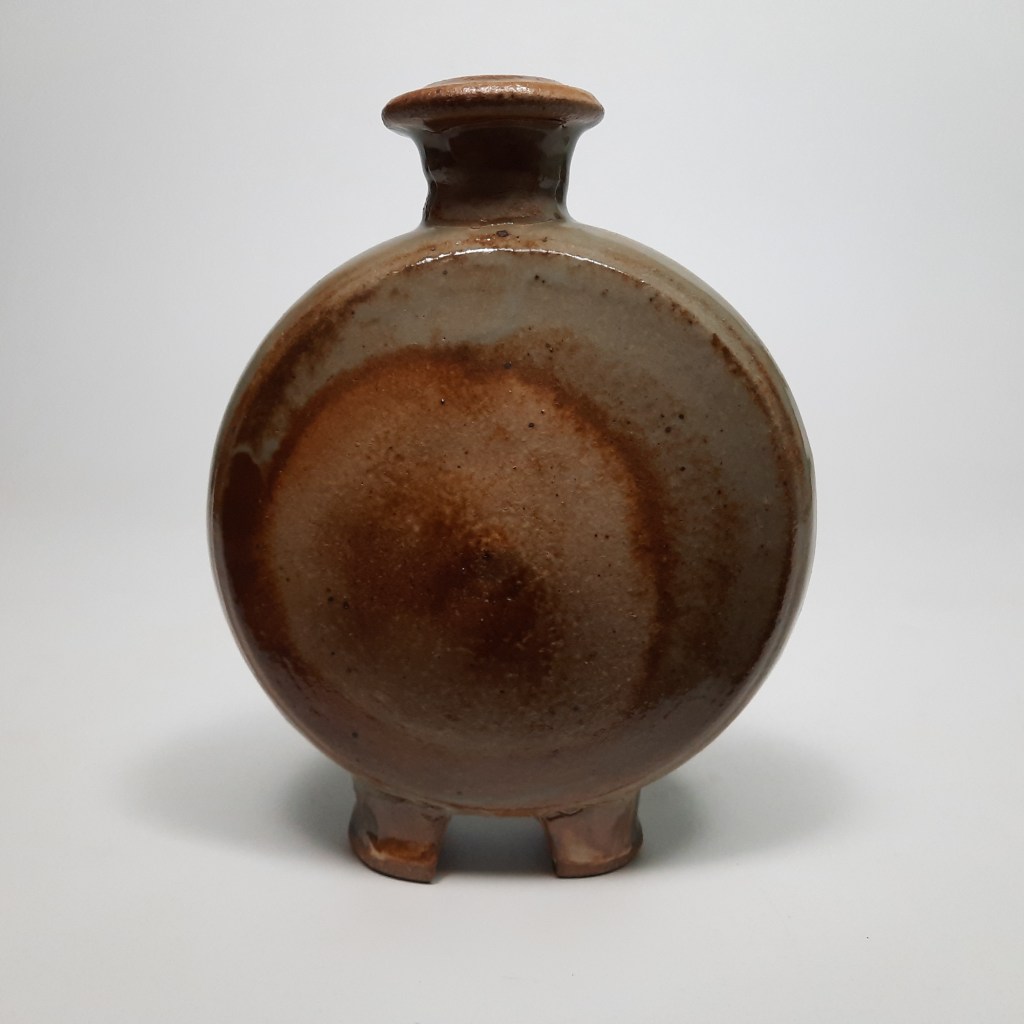
I try to make beautiful utilitarian objects that are generous and humble. Generous in proportion and in portion. Humble in that the pots are intended for use and I don’t pretend to make them something they are not. But I sign the work I make, and my cupboards are filled with pots that are all signed. I see them as a physical representation of a human connection.
There is a rich tradition of midwest potters, who make work inspired by the folk craft movement. I’m simply following a well worn path. I’m still relatively early on this path, I’m sure my out look and feelings will change and evolve as I grow as a potter and as a person.

 Peter Paul Pottery